Mastering Your Finances: Unveiling the Art of Good Debt vs. Bad Debt
The main requirement to being financially intelligent is the intelligence in being able to differentiate between good debt and bad debt. Simply put, good debt makes you rich and bad debt makes you poor. Improving your financial life requires you to make healthy financial decisions. Again, before knowing what good debt and bad debt entail, one needs to have a clear understanding of what debt entails. In essence, debt is borrowing money from others placing an obligation on you to pay it back with interest added to it. The debt you take is a liability. It’s an obligation to pay it back to the creditor.
Mastering Your Finances: Unveiling the Art of Good Debt vs. Bad Debt
Mastering Your Finances: Unveiling the Art of Good Debt vs. Bad Debt
Mastering Your Finances: Unveiling the Art of Good Debt vs. Bad Debt
Mastering Your Finances: Unveiling the Art of Good Debt vs. Bad Debt

- Debts that allow you to acquire assets with the potential to increase in value over time are generally considered good. For example, a loan to start a business or invest in stocks may fall into this category.
- Tax Deductibility:
- Some interest paid on loans is tax-deductible. For instance, mortgage interest and student loan interest may be eligible for tax benefits.
- Low-Interest Rates:
- Debt with low-interest rates is generally more manageable. If the interest rate is lower than the potential return on an investment, it may be considered good debt.
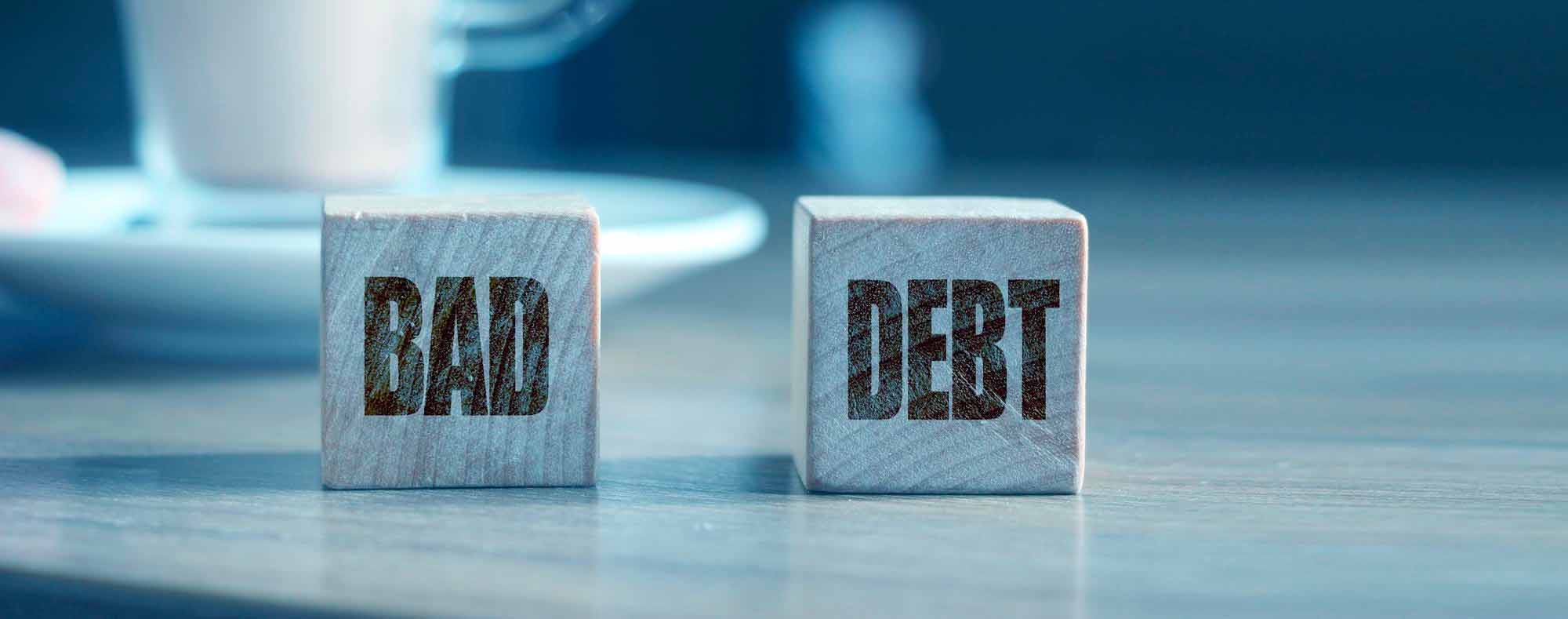
- Borrowing money for consumable items that quickly depreciate in value, such as vacations, clothing, or electronics, is generally considered bad debt. These purchases do not contribute to long-term financial well-being.
- Impulse Purchases:
- Debt incurred due to impulsive spending or lack of budgeting is typically considered bad. It reflects a lack of financial discipline and can lead to financial instability.
- No Potential for Appreciation:
- Borrowing for items that do not have the potential to appreciate or generate income, such as a car or depreciating assets, may be categorized as bad debt.
- High Debt-to-Income Ratio:
- If your debt levels are high compared to your income, it can be a sign of financial stress. High levels of debt relative to income can limit your ability to save and invest for the future.
Good debt and bad debt refer to the concept of categorizing debts based on their potential impact on your financial well-being and overall wealth. It’s important to note that the classification of debt as “good” or “bad” can vary depending on individual financial situations and perspectives. Good debt is generally associated with investments that can potentially grow in value over time, while bad debt is linked to purchases that do not contribute to long-term financial well-being and may lead to financial stress. It’s crucial to carefully evaluate the purpose and potential outcomes of taking on debt and to manage it responsibly to avoid negative consequences on your financial health. How you decided to interact with debt most depends on personal values and tolerance for risk. Always remember that whether good debt or bad debt, they both come with risks.
Copyright © 2024 TMMBS. All rights reserved.